
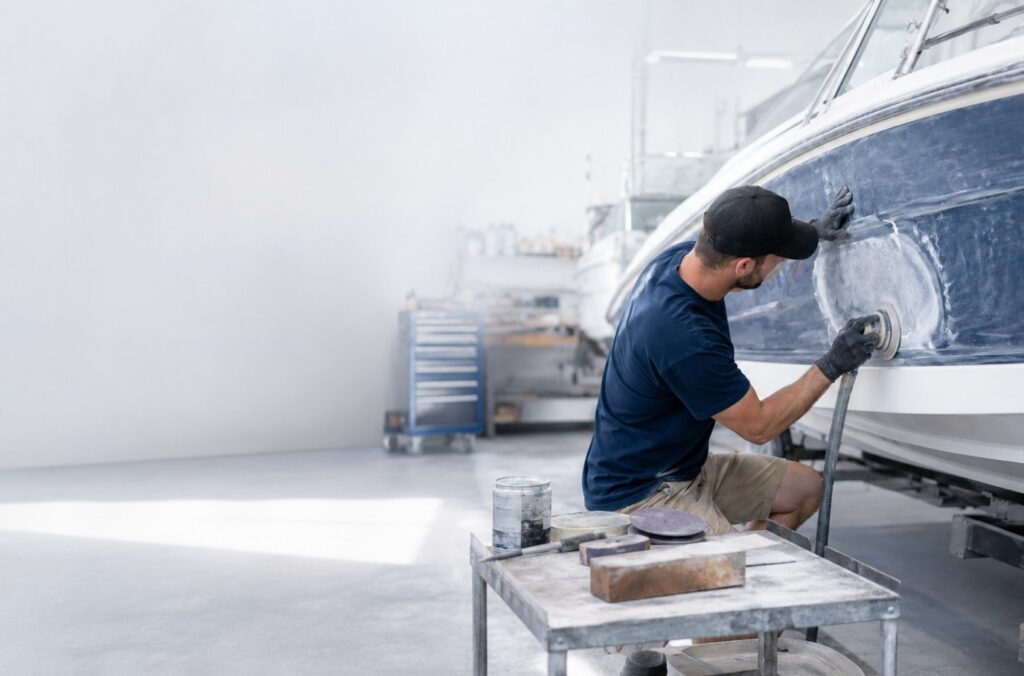
Fiberglass boat hulls are designed to handle demanding conditions, but constant exposure to waves, impacts, sunlight, moisture, and changing temperatures can eventually lead to damage. Small cracks, chips, worn surfaces, and damaged laminate should not be ignored because minor defects can become more complicated over time. Boat Work Times helps boat owners address a range of repair needs, and understanding the basics of fiberglass repair can help owners recognize problems before they affect the condition of the hull.
Why Fiberglass Hulls Need Regular Inspection
Fiberglass is strong and durable, but it is not completely resistant to damage. A boat can suffer impact damage after contacting a dock, submerged object, trailer component, or another vessel.
Even when the damage looks cosmetic, the underlying laminate may also be affected. For this reason, owners should inspect the hull regularly, especially after an impact or before the beginning of a new boating season.
Look for:
- Hairline cracks
- Deep scratches
- Chips and gouges
- Discoloration
- Soft areas
- Surface blistering
- Separation around repaired sections
Early inspection can make fiberglass repair simpler and help prevent additional deterioration.
Hairline Cracks Can Have Different Causes
Not every crack in a fiberglass hull indicates the same problem. Some surface cracks may develop in the gelcoat because of age, temperature changes, or normal movement. Deeper cracks can indicate stress within the laminate.
The location and pattern of a crack can provide useful clues. Cracks around fittings, corners, stress points, and hardware should receive particular attention.
Simply covering a crack with cosmetic material may hide the visible defect without addressing the underlying cause. A proper inspection should determine how deep the damage extends before repairs begin.
Impact Damage Requires Careful Assessment
Impact is one of the most common causes of fiberglass boat damage. A collision with a dock or underwater object can create anything from a small gelcoat chip to significant laminate damage.
The visible surface may not show the full extent of the problem. Fiberglass layers beneath the gelcoat can crack, separate, or lose structural strength.
Professional fiberglass repair typically begins with removing damaged material and inspecting the surrounding laminate. Depending on the severity, the technician may rebuild the affected area using new fiberglass reinforcement and resin before restoring the exterior finish.
Scratches and Gouges Should Not Be Ignored
Shallow scratches may only affect the gelcoat, while deeper gouges can expose fiberglass beneath the surface.
Exposed laminate can absorb moisture and become more vulnerable to additional damage. Therefore, even a relatively small gouge should be cleaned, evaluated, and sealed appropriately.
The repair process may include removing loose material, preparing the damaged area, filling the defect, and restoring the surface. Matching the surrounding finish is also important when appearance matters.
Fiberglass Blisters Can Indicate Moisture Problems
Some fiberglass boats develop small blisters beneath the surface. These may occur when moisture interacts with materials within the laminate and coating system.
A few isolated blisters may require a different approach than widespread blistering. The affected areas should be opened and assessed rather than simply painted over.
If moisture-related damage is extensive, the repair may involve drying the affected area and restoring protective layers before the final finish is applied.
Proper Surface Preparation Matters
A successful fiberglass repair depends heavily on preparation. Resin and reinforcement materials need a properly prepared surface to create a strong bond.
Depending on the type of damage, preparation may involve removing damaged fiberglass, sanding surrounding areas, cleaning contamination, and creating an appropriate bonding surface.
Rushing through preparation can compromise the repair even when quality materials are used. The damaged area should therefore be properly assessed before new material is applied.
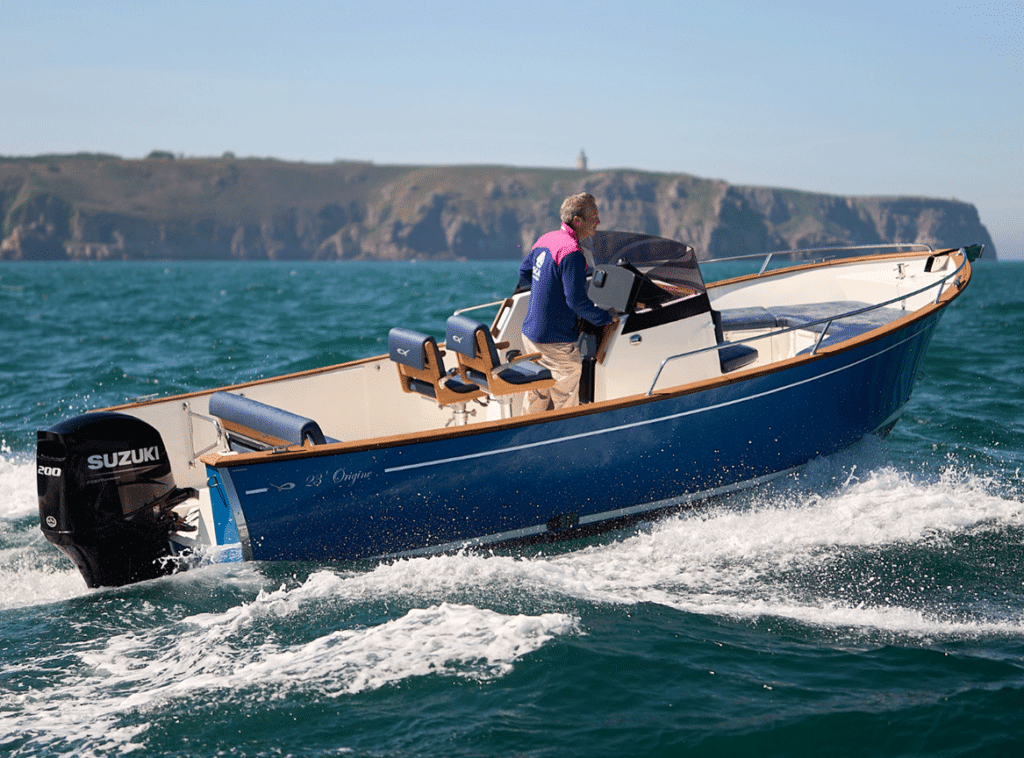
Matching the Repaired Surface
Structural strength is only part of a successful repair. Boat owners also expect the finished surface to blend with the surrounding hull.
After the structural work is complete, the exterior may require fairing, sanding, gelcoat application, polishing, or other finishing work.
Color matching can be particularly challenging on older boats because sunlight and weather gradually change the original appearance. A professional repair can take the surrounding finish into account rather than applying a noticeably different color.
Check Hull Areas Around Hardware
Damage is not always located directly on the open surface of the hull. Hardware installations can create areas of increased stress.
Inspect the fiberglass around:
- Cleats
- Rails
- Through-hull fittings
- Ladders
- Swim platforms
- Transducers
- Engine mounts
Cracks or movement around these areas may indicate that the hardware or surrounding structure needs additional attention.
If water is entering through a damaged fitting or compromised seal, repairing only the visible fiberglass may not solve the problem. The complete area should be inspected.
Preventive Maintenance Helps Protect Fiberglass
Owners can reduce unnecessary fiberglass damage by maintaining the boat properly throughout the year.
Useful habits include:
- Washing salt and dirt from the hull
- Inspecting impact areas after each trip
- Repairing exposed laminate promptly
- Maintaining protective coatings
- Checking hardware for movement
- Storing the boat correctly
- Avoiding unnecessary impacts during docking
Regular maintenance does not eliminate the possibility of damage, but it can help owners discover problems before they become more extensive.
When Professional Fiberglass Repair Is Necessary
Small cosmetic defects may appear easy to fix, but deeper structural damage requires greater care. Professional service is especially important when a boat has experienced a significant impact, developed deep cracks, shows signs of laminate separation, or has widespread blistering.
A technician can determine whether the problem is limited to the gelcoat or extends into the fiberglass structure. This distinction is important because cosmetic repairs and structural repairs require different approaches.
Professional fiberglass repair can restore damaged laminate, rebuild compromised sections, and refinish the surface so the repair becomes both functional and visually consistent.
Final Thoughts
Fiberglass construction gives boats durability and long service life, but even strong materials require proper maintenance. Cracks, chips, gouges, impact damage, blisters, and damaged areas around hardware should be inspected rather than ignored.
Early attention can prevent relatively small defects from developing into larger repair projects. With regular inspections and appropriate fiberglass repair, boat owners can protect the condition of the hull and keep their vessels ready for many more seasons on the water.
For more useful articles about boat hulls, marine maintenance, electrical systems, engines, repairs, and other boating equipment, you can find them here.